

Is it time to invest in a new furnace for your home? Since furnaces can have a vast average lifespan, it can be difficult to tell whether or not your furnace has reached the end of its life. Gas furnaces can be expected to last for up to 20 years, while electric furnaces can last for as long as 30 years. If you’re unsure about whether it’s time for a gas furnace replacement, understanding the key differences between gas and electric models can help you make an informed decision.
There are some telltale signs that indicate your furnace is reaching the end of its life. When you begin to notice these signs, it’s important you start thinking about your next steps. It is always better to plan ahead and be prepared for a furnace replacement, instead of being surprised by one. If you do need furnace installation in Roseburg, our team is here to help.
Determining Your Furnace’s Age
Several factors affect heater replacement, but age is usually the biggest one for homeowners. The closer your furnace gets to the end of its average lifespan, the more likely it is that a replacement is sooner rather than later. A heating system under 10 years old may not need replacement. Your furnace may have an installation date sticker on the outside of the system. If it doesn’t, you can do a search online for the model number along with the name brand to identify the furnace model. That should give you a good idea of how old your furnace is.
If you’re considering a furnace replacement service, consulting a professional technician can help homeowners make an informed decision about whether to replace or repair the heating system. You may also find it helpful to review our breakdown of gas vs. electric furnaces when making your decision. About 60% of homes use furnaces as their central heating system. Gas furnaces are the most common heating option. Different types are available, and electric furnaces are an alternative to gas but less efficient than heat pumps.
Keep in mind that maintenance plays a huge part in how long your system will last. A very well-maintained furnace will last for the upper range of the average. If you have not invested in annual maintenance, your furnace may need to be replaced sooner than average.
Rising Energy Bills
Over the life of the unit, furnace performance naturally declines. This means that older systems become less efficient over time and take more energy to produce the same results as when they were brand new. Gas furnaces can have AFUE ratings as high as 98%, while electric furnaces can achieve AFUE ratings up to 100%. Of course, other things in your home require energy, too. But seeing a significant increase in your energy bill and overall energy costs can definitely point to your furnace in the winter. Comparing long-term operational cost can help save money when deciding on heater replacement, especially since electric furnaces are smaller and cheaper to install than gas furnaces, with installation starting at $2,000. Regular maintenance can catch minor issues early, help prevent unexpected breakdowns, extend system life, and reduce the risk of costly repairs, but there comes a point when maintenance cannot restore an energy-efficient system once it is too old.
If your heating bills are climbing and your system has frequent repairs, or if you have a unit that requires frequent repairs, inconsistent heating, or uneven heating, it may be time to explore heating replacement options. Local incentives and financing options may help lower the cost of an efficient replacement.
Signs of Dirt, Soot, and Rust
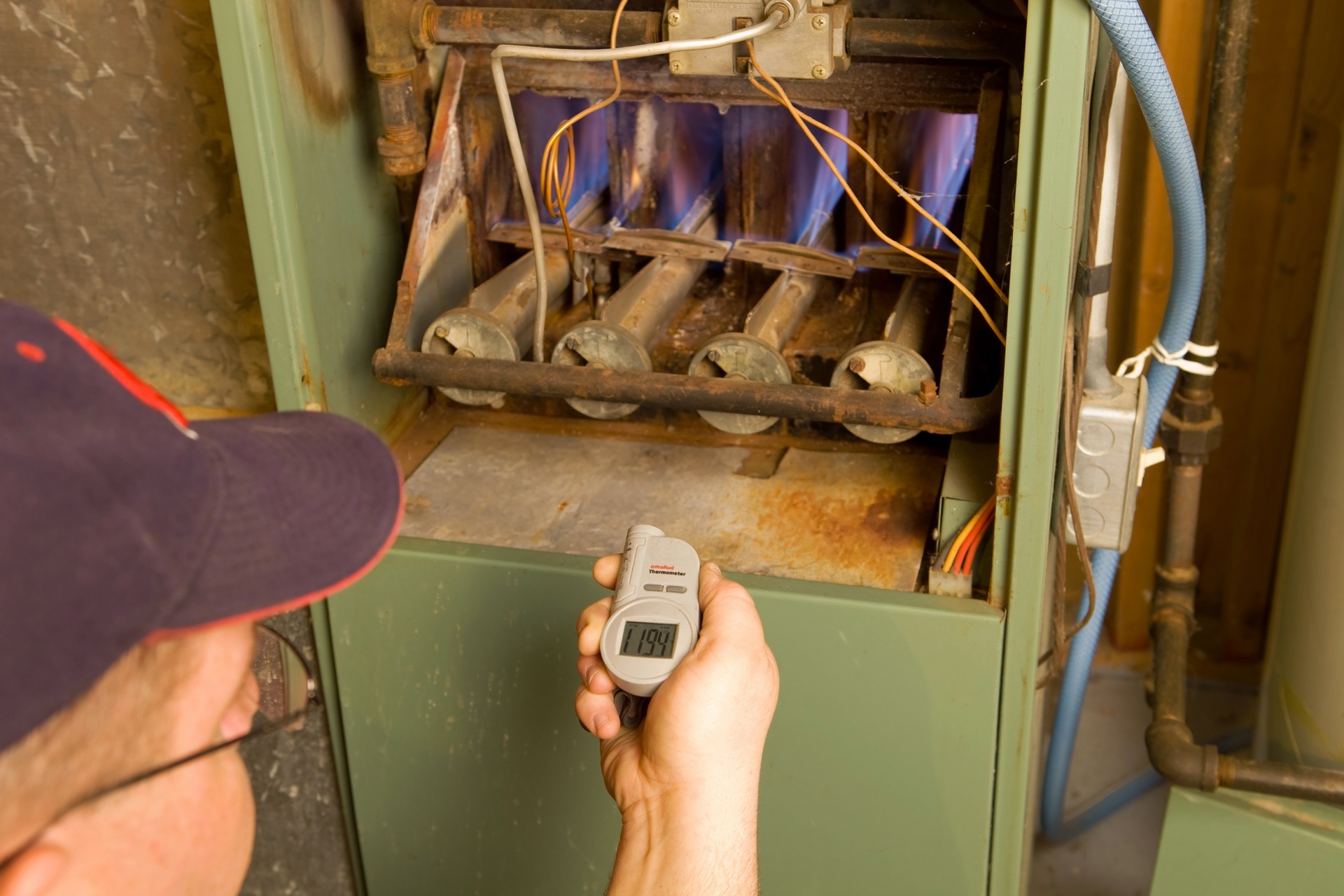
If you notice an excess of dirt and dust around your home, your furnace could be to blame, and signs of dirt, soot, and rust often mean the system needs an inspection. You also want to check the inside of your furnace for signs of dirt, soot, and rust.
Our skilled technicians inspect key components and evaluate ductwork for leaks to protect heater performance. If you have a gas system, soot can indicate that your gas furnace is not burning cleanly, and checking the pilot light may help diagnose combustion-related problems. Of course, rust can indicate that there is moisture damage that is causing your system to wear down. Strange noises, cold air, or thermostat-related temperature problems can also point to issues that need professional attention. If dust is inside your heater, it can impact the lubrication of parts that need to work together, and decrease overall efficiency. A 21-point inspection by heating experts can catch electrical or component problems early and help keep the system at peak performance.
Humidity Issues
The thing about humidity is that there is a just-right level you want to maintain, especially when fluctuating temperatures affect indoor comfort and make year round balance harder to achieve. Too much humidity can allow mold and mildew growth in your home and make it harder to keep your home warm. Plus, it can make the air feel very heavy.
Too little humidity can make the air so dry that you begin to experience sinus problems and get sick more easily. Inconsistent humidity can also make a space feel less warm in winter. Your heating cooling system should help maintain a healthy level of humidity in your home, and proper system sizing helps ensure efficiency and avoid premature wear while supporting the right setup for the space. If the humidity levels are too high or too low, your furnace may be to blame. To improve both humidity control and indoor comfort, you might also consider if a ductless HVAC system is right for your home, especially in zones with unique comfort needs, since ductless mini-splits can improve temperature control and heat pumps are efficient for Eugene’s mild, damp winters and warm summers.
A standard furnace installation typically takes 4 to 8 hours to install. Our team is equipped for emergency heating and cooling service in Portland and can lead you through the replacement process, including coordinated HVAC and plumbing work when broader comfort issues like hot water concerns are involved, as well as a maintenance plan; natural gas furnace installation costs typically range from $3,800 to $10,000.
Your comfort is our business! Comfort Flow Heating serves all of Oregon, so contact our team today to schedule your appointment.
 541-726-0100